

Your lymphatic system works silently every day to clear waste, fight infection, and keep your body in balance — but it needs movement to do its job well. Dry brushing is a simple, ancient, and increasingly popular technique that can stimulate lymphatic flow, support detoxification, and leave your skin looking and feeling its best. Whether you’re brand new to the practice or looking to deepen your routine, this guide covers everything: the science, the technique, the benefits, and the common mistakes to avoid.
What Is the Lymphatic System and Why Does It Need Support?
The lymphatic system is a network of tissues, lymphatic vessels, and lymph nodes that runs parallel to your circulatory system. Unlike blood, which is pumped by the heart, lymph fluid has no central pump — it depends entirely on muscle movement, breathing, and manual stimulation to keep flowing. When lymph flow slows or becomes stagnant, fluid and waste products can accumulate in the tissues, leading to puffiness, fatigue, and compromised immunity.
The primary role of the lymphatic system is to transport fluid, proteins, and cellular waste from the interstitial space back into the bloodstream for processing and elimination. This process of lymphatic drainage keeps tissue healthy and prevents the build-up of harmful substances that can lead to acne. Supporting it through intentional practices like dry brushing is one of the most accessible forms of holistic self-care available.
Many people don’t realize how closely the lymphatic system is tied to overall wellbeing. Inflammation, skin dullness, slow digestion, and even brain fog can all be signs that lymph drainage is sluggish. By learning how to stimulate this system regularly, you can help your body do what it’s already designed to do — just better.
How Does Dry Brushing Stimulate Lymphatic Drainage?
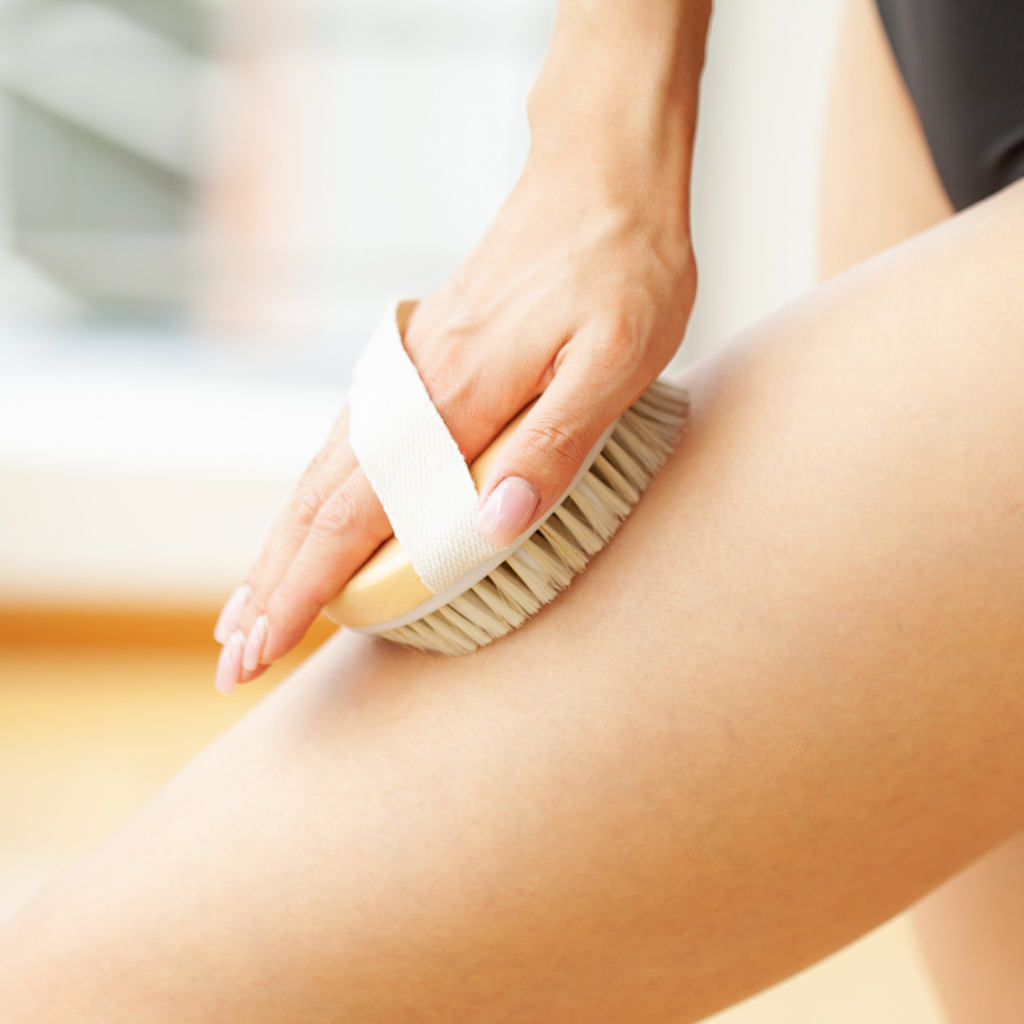
The process of lymphatic drainage depends on external pressure and movement, since the lymphatic system lacks its own pump. When you use a dry brush to apply rhythmic, directional strokes toward the heart, you stimulate the lymphatic vessels just beneath the skin’s surface. This gentle mechanical pressure encourages the one-way valves inside lymphatic vessels to open and move lymph fluid forward along its natural pathway.
Think of it as a simplified version of a professional lymphatic massage. Manual lymph drainage massage uses very gentle, specific strokes to encourage lymphatic circulation. Dry brushing mimics this action on a more accessible, everyday scale, encouraging lymphatic fluid to drain toward major collection points like the armpit and groin, where lymph nodes process and filter it.
Regular dry brushing sessions can meaningfully enhance lymphatic circulation over time. The key is consistency and correct direction — always moving toward the heart and toward your body’s main lymph node clusters. Even a short, daily session of five to ten minutes can have a cumulative effect on how efficiently your lymphatic system clears fluid and waste products.
What Are the Proven Benefits of Dry Skin Brushing?
The benefits of dry skin brushing extend well beyond what most people expect from a simple skincare tool, including potential acne prevention. The most immediate benefit is exfoliation — specifically, the removal of dead skin cells that can clog pores, dull the complexion, slow skin renewal, and contribute to acne. By sloughing off these skin cells from the surface, the dry brush allows fresher, healthier cells to be exposed, contributing to more radiant skin over time.
On a deeper level, dry brushing stimulates blood flow and lymphatic circulation. This increased circulation delivers oxygen and nutrients more efficiently to skin cells, supporting cellular repair and renewal. Blood flow improvements can also give the skin a temporary healthy glow immediately after brushing. With regular practice, some users report firmer, more toned-looking skin — a result that may be linked to improved circulation and collagen stimulation.
Dry brushing also plays a role in detoxification. By supporting the movement of lymph, it helps the body more efficiently filter out toxins and metabolic waste. Additionally, brushing may have a calming effect on the nervous system when done slowly and mindfully, making it a valuable part of a broader self-care and wellness practice. Some practitioners also find it helpful for managing mild puffiness and fluid retention.
Can Dry Brushing Help Reduce Swelling and Inflammation?
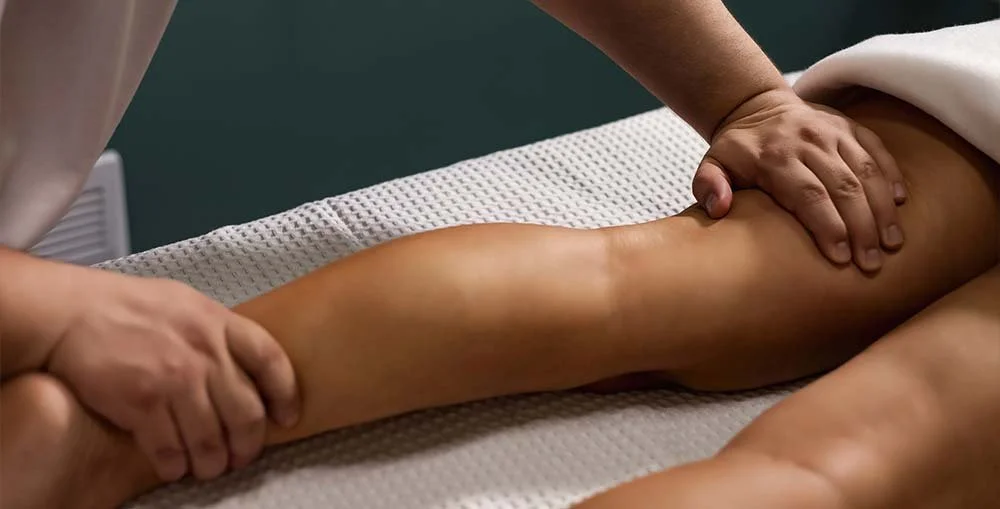
One of the most compelling questions around dry brushing is whether it can genuinely help reduce swelling and inflammation in the body. The short answer is: yes, with the right approach. Because swelling is often the result of fluid becoming trapped in the interstitial spaces between cells, anything that encourages lymphatic drain can help reduce it. Dry brushing applies just enough mechanical stimulation to the vessel walls to encourage fluid to move toward the lymph nodes, which may help in reducing acne.
For people dealing with mild swelling — such as that caused by prolonged sitting, hormonal changes, or minor injury — brushing for lymphatic drainage may offer a practical, at-home way to manage symptoms. Conditions like lymphedema, which involves chronic swelling due to impaired lymph drainage, are typically treated with professional drainage massage and compression therapy; however, gentle dry brushing may serve as a helpful complementary practice under medical supervision.
Reducing inflammation is another benefit that has gained attention. Chronic low-grade inflammation is linked to a wide range of health concerns, and anything that supports efficient lymphatic clearance can potentially help reduce inflammation at the tissue level. While dry brushing alone is not a medical treatment, it is a valuable tool within a broader holistic wellness strategy.
How Does Dry Brush Massage Improve Skin Health?
The connection between dry brush massage and skin health is multifaceted. The most direct effect is mechanical: the brush physically exfoliates the skin, removing the layer of dead cells that can make the complexion appear dull, rough, or uneven. This accelerated cellular turnover can be especially beneficial for those dealing with acne-prone skin, as clearing pores reduces the likelihood of congestion — though those with active breakouts or sensitive skin should proceed with caution.
Beyond the surface, lymphatic drainage stimulated by dry brushing supports the skin from within. When the lymphatic system functions well, it efficiently removes the cellular debris and excess fluid that can congest skin tissue. The result is often a reduction in puffiness and a clearer, more even-toned complexion. Improved circulation also means that the nutrients and growth factors needed for healthy skin renewal reach the skin cells more effectively.
What Is the Proper Technique for Dry Brushing for Lymphatic Drainage?
Proper technique is everything when it comes to brushing for lymphatic drainage and preventing acne. The goal is not vigorous scrubbing — it is gentle, directional stimulation that can help prevent acne. Begin at the feet and work your way upward, always moving toward the heart. Use long, sweeping upward strokes on the limbs, and circular motions on the torso. On the abdomen, move in clockwise circles to follow the natural direction of the digestive tract, which can help reduce the risk of acne. When you reach the chest and neck, direct strokes toward the collarbone, which is a key drainage point.
Always use light pressure — lighter than you might think necessary. The lymphatic capillaries you are trying to activate are extremely superficial and delicate, playing a role in preventing acne by removing toxins. Pressing too hard will not improve results and may irritate the skin. The dry brush should glide across your skin with gentle firmness, never dragging or causing redness beyond a light, healthy flush. If your skin feels raw or sore after brushing, you are pressing too hard.
For best results, incorporate lymphatic massage dry brushing into your daily routine, ideally before showering in the morning, to help keep acne at bay. The whole process should take around five to ten minutes. After brushing, shower to rinse away the loosened dead cells, then hydrate your skin with a nourishing body oil or lotion. This complete ritual — brush, cleanse, moisturize — is the foundation of an effective at-home lymphatic and skin wellness practice.
How Does Dry Brushing Affect Circulation and Detox?
Dry brushing improves circulation in two key ways: by stimulating blood circulation in the capillaries beneath the skin, and by encouraging lymphatic flow, which can help combat acne. The mechanical action of the dry brush on the skin creates a mild vascular response — blood flow increases to the area, bringing warmth, color, and freshly oxygenated blood to the surface. This is why skin often looks rosy and refreshed immediately after a brushing session.
From a detox perspective, the synergy between improved circulation and lymph drainage is particularly powerful. The lymphatic system is responsible for collecting cellular waste, metabolic byproducts, and toxins that the body needs to eliminate, playing a crucial role in preventing acne. When lymph becomes sluggish, these substances can accumulate in the tissues, contributing to dullness, fatigue, and a general feeling of heaviness. Dry brushing helps drain these waste products more efficiently, supporting the body’s natural detoxification pathways.
It’s worth noting that lymphatic drainage is not a magic cure for systemic toxicity — the liver and kidneys do the heavy lifting there. But by keeping lymph flow moving freely, you remove a significant bottleneck in the body’s waste disposal system, which can help in reducing acne. Paired with adequate hydration and a balanced diet, drainage massage through dry brushing becomes one piece of a genuinely effective detox strategy.
Common Mistakes to Avoid When Dry Brushing for Lymphatic Health
The most frequent mistake people make when beginning a dry brush routine is using too much pressure. The lymphatic vessels you are trying to stimulate are incredibly delicate and superficial — over-vigorous brushing does not enhance results and can damage the skin’s barrier, leading to irritation and redness. Always begin with a lighter touch than you think you need, and increase pressure only slightly over time as your skin adapts. If your skin feels tender or looks inflamed after brushing, dial back the pressure immediately.
Another common error is brushing in the wrong direction. Random or downward strokes won’t effectively stimulate lymphatic circulation — the goal is always to press fluid upward and inward toward the main lymph node clusters. Inconsistency is also a problem: occasional dry brushing provides some benefit, but it is the daily, rhythmic practice that makes a meaningful long-term difference to lymph flow, circulation, and skin health.
Finally, neglecting hygiene can undermine your results. Your dry brush should be cleaned weekly with mild soap to prevent the build-up of dead skin cells, oils, and bacteria. Brush on clean, dry skin only — never on wet skin, open wounds, or areas of active inflammation. And after brushing, always hydrate your skin to replace moisture lost through exfoliation. Skipping moisturizer leaves the freshly exfoliated skin vulnerable and dry, which can lead to acne and defeats part of the purpose.
Key Things to Remember
- The lymphatic system has no pump — it relies on movement, massage, and external stimulation like dry brushing to keep lymph flowing efficiently.
- Always use upward, heart-directed strokes with light pressure — the lymphatic vessels you’re targeting are superficial and delicate.
- Regular dry brushing stimulates blood flow and lymphatic circulation, helping the body eliminate toxins, waste products, and excess fluid more effectively.
- The benefits of dry skin brushing include improved skin texture, reduced puffiness and swelling, better circulation, and enhanced lymphatic drainage.
- Dry brushing is an effective at-home complement to professional drainage massage, though it should not replace medical treatment for lymphedema or severe swelling, especially if acne is a concern.
- Always brush on clean, dry skin before showering, and follow with a hydrating body oil or moisturizer to protect and nourish your freshly exfoliated skin.
- Consistency is everything — a short five-to-ten minute dry brush session daily delivers far better results than occasional, longer sessions.
- Clean your brush weekly to maintain hygiene and avoid buildup of dead skin cells and bacteria on the bristles.
“Feeling good is not a luxury. It’s a foundation.”